
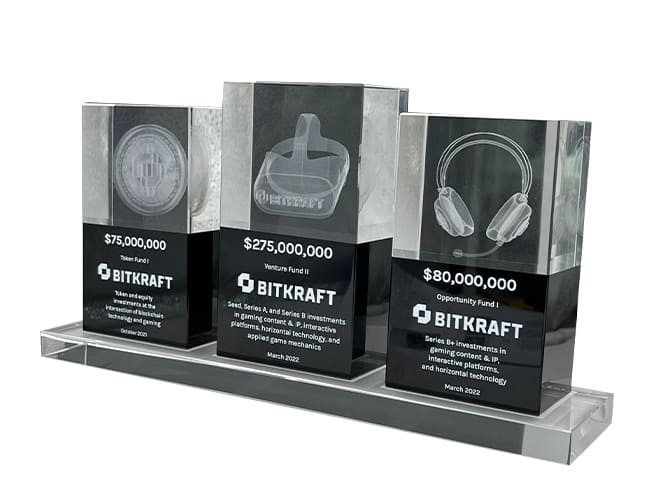
Despite the lightning-fast pace of today’s financial world, it is somewhat surprising to note that Wall Street’s top bankers continue to favor physical deal toys, custom acrylic sculptures, when marking major milestones like mergers and IPOs.
These tangible awards, sometimes called lucite tombstones, still feature prominently in a sector that otherwise pursues digital transformation at full speed.
Why? It is because, even in a world where more and more occurs online, these trophies remain an enduring sign of accomplishment and status for those deeply invested in the high-stakes environment of finance.
The hidden ROI of physical deal toys in a digital era
Wall Street’s environment often feels relentless, with professionals managing significant stress and heavy workloads.
Within this context, a physical token, like a deal toy, is much more than a souvenir; it acts as a motivational tool that can instantly recall the hard work, teamwork, and determination that led to a deal’s completion.
Whether on a shelf or in a lobby, these items provide a frequent visual reminder of achievement, subtly shaping both professional identity and the culture of excellence that many in banking value so highly.

Building culture and client loyalty
Actually, while the return on investment for these objects is not always measured in dollars, its impact is significant. Presenting a client with a thoughtfully crafted memento after a successful deal often strengthens the business relationship in ways that an email or virtual gift never could.
A collection of such tokens doesn’t just tell a story of past successes; it also signals to potential recruits that the firm is a place where major wins are recognized, a powerful incentive for top talent and a boost to client retention and employer branding.
Not every artifact carries the same weight, but when gifted at just the right moment, the effect can be surprisingly lasting.
What makes deal memorabilia a status symbol?
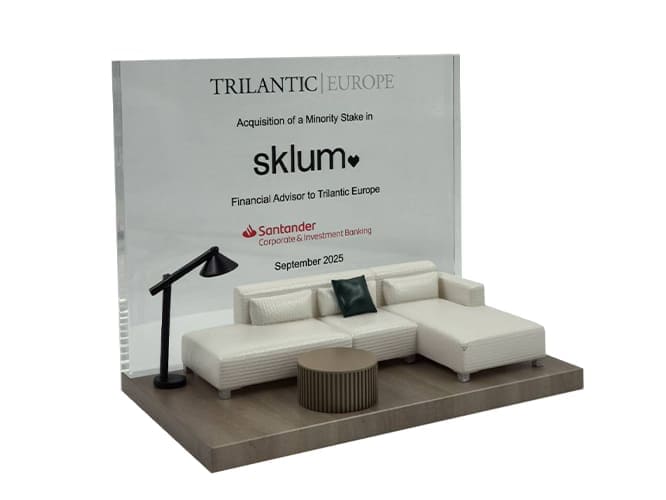
Over time, the desire to stand out has spurred a bit of friendly rivalry between banks, prompting some to order unique or even lavish designs. Sometimes you’ll see a technology deal celebrated with a trophy incorporating a tiny circuit board; in energy, a model oil platform might stand in pride of place.
These special touches mean the awards become far more than mere decorations, they turn into tangible proof of the dealmaker’s expertise and, frankly, a bit of bragging rights within industry circles.
Breaking down the costs of custom financial tombstones
On the scale of multi-million- or billion-dollar transactions, the cost of a financial tombstone is modest. However, the expense can still add up depending on various factors such as choice of materials, design complexity, and the rush to deliver items after a deal closes.
Notably, the attention placed on even small production details signals how much these objects matter to the teams involved.
Material and design factors
When selecting materials, firms can choose everything from basic acrylic to high-end crystal, intricate stonework, or meticulously finished metals. Each choice determines the baseline expense.
If a team requests three-dimensional elements, miniatures, or urgent shipping for rapid delivery, costs will climb accordingly. Usually, production is limited to between 10 and 50 units per transaction, making each batch relatively exclusive.
| Complexity Level | Typical Materials | Estimated Cost Per Unit |
|---|---|---|
| Standard | Simple acrylic or resin | $100 – $200 |
| Premium | Crystal, multi-material | $250 – $500 |
| Bespoke | Hand-finished metals, complex 3D | $1,000+ |
How Wall Street designs its bespoke trophies
When it comes time to design and manufacture these commemorative pieces, leading financial firms typically turn to well-known specialty vendors such as Golucites. Through ongoing collaboration, both the bankers and design teams work closely to ensure the award’s details faithfully illustrate the story behind the transaction.
The production workflow
The creation process, though generally orderly, is punctuated with key moments that shape the outcome:
- Initiation: It all starts with the deal team describing what made their transaction stand out, often supplying figures, logos, or thematic ideas.
- Creative collaboration: At this point, the vendor provides Digital design previews and materials for consideration, which allows for efficient feedback and adjustments.
- Internal review: Before moving forward, the draft designs are reviewed by bank representatives, who ensure that both confidentiality and brand standards are maintained.
- Fabrication: Using specialized facilities, artisans carry out delicate engraving, sculpting, and embedded details to bring the vision to life.
- Distribution: Lastly, the personalized awards reach the deal team, key clients, and related parties, each one intended to spark a sense of pride and recognition.
The future of deal commemoration
There is definitely a growing awareness of environmental and social responsibilities in corporate practices, meaning the continued use of physical deal toys is now being reconsidered by some banks.
As institutions pay closer attention to environmental, social, and governance (ESG) impacts, fresh debates have surfaced about switching to more sustainable, and perhaps digital, alternatives for deal commemoration.
Navigating ESG and digital alternatives
On the surface, digital-only commemorations seem very appealing. They avoid the energy and material use associated with manufacturing and delivery.
In fact, eliminating the shipment and creation of actual acrylic trophies is highly consistent with today’s sustainability trends. Some companies have begun asking: is it time to make the leap?
Will blockchain and NFTs replace physical lucite?
Emerging technologies, including blockchain-backed certificates, augmented reality designs, or non-fungible tokens (NFTs), offer digital pathways for recognizing achievements. Conceivably, an NFT could serve as a secure, one-of-a-kind record of a financial transaction, much like a virtual trophy.
However, it is important to note that, for now, most major financial institutions have not widely adopted these alternatives, as the logistics and culture around deal memorabilia remain rooted in tradition.
Some may argue that what keeps physical deal toys at the center of Wall Street’s celebration rituals is the emotional impact that only a tangible award can create. The personal and team connections they inspire are tough to match with a digital equivalent.
While evolving technologies and sustainability priorities may eventually lead to hybrid or fully virtual commemorations, the lucite tombstone currently sets the standard for marking professional milestones in finance.
At the end of the day, these distinctive artifacts do more than simply log the numbers; they encapsulate the commitment, teamwork, and strategic sophistication that shaped each achievement.
As long as digital alternatives fall short of delivering the same tangible sense of victory, deal toys are very likely to maintain their prominent place on the desks of leading bankers everywhere.