
Securing the completion of a major merger or launching an IPO signifies a remarkable milestone for any organization. However, while such moments may pass swiftly, their impact can endure for years.
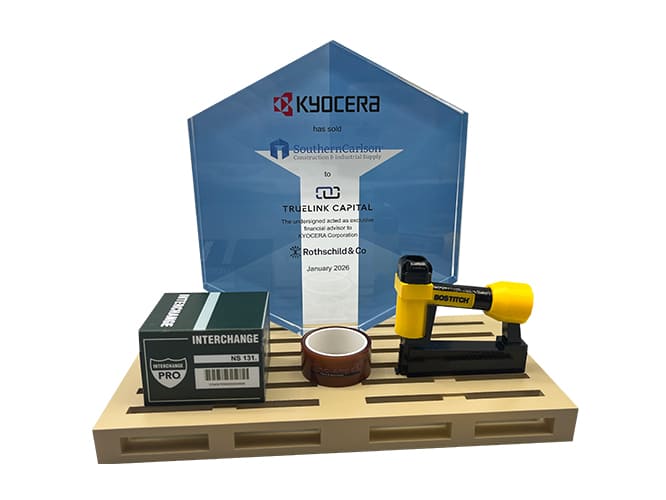
Custom deal toys, which can be regarded as both financial tombstones and symbols of achievement, encapsulate these pivotal occasions in a highly tangible way.
The process of designing an effective transaction memento, though, goes well beyond the superficial; it is necessary to harmonize a firm’s branding with a narrative flair that not only elevates the firm’s image but also reflects the true weight of the event.
Achieving this blend in the choice of materials, color, and form is central to creating an artifact worthy of lasting on an executive’s desk and maintaining significance far beyond the original celebration.
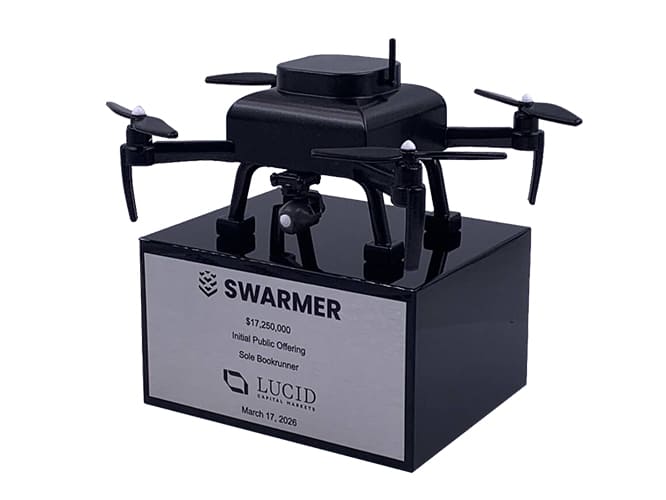
Translating complex transactions into compelling designs
The initial impression of a successful deal toy should concisely communicate both the meaning behind the transaction and its emotional significance. One must consider the shape first, as this basic element frames the entire story.
Interestingly, the spectrum of design possibilities extends from familiar geometric motifs reminiscent of universality to completely custom miniatures that directly mirror the nature of the deal.
For instance, a puzzle piece motif may subtly yet effectively represent collaboration in a technology acquisition, while a scaled-down architectural model readily communicates the core of a real estate financing transaction.
Not all designs should strive for maximum intricacy; sometimes clarity speaks loudest.
Selecting symbolic graphics and visual motifs
Central to the differentiation of a deal toy are the symbolic graphics that illustrate the project’s importance.
It is not unusual for corporate logos to be integrated by techniques such as laser etching or subtle metallic appliqué for a refined impression.
Some well-considered visual motifs are actively chosen for their ability to reinforce the unique aspects of each transaction:
- Industry-relevant symbols, for example gears for manufacturing or network diagrams for technology collaborations
- National flags or imagery of landmarks, most fitting for deals with a global or cross-border dimension
- Distinctive timelines or milestone markers that help place the transaction in the context of the firm’s journey
- Incorporated three-dimensional inserts, such as miniature containers for logistics-related deals
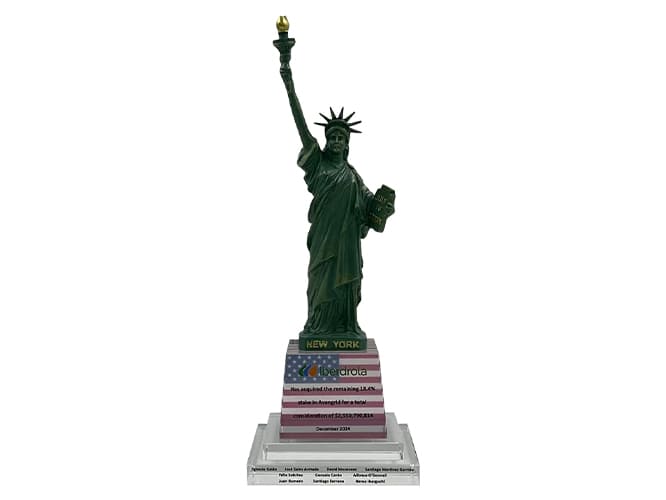
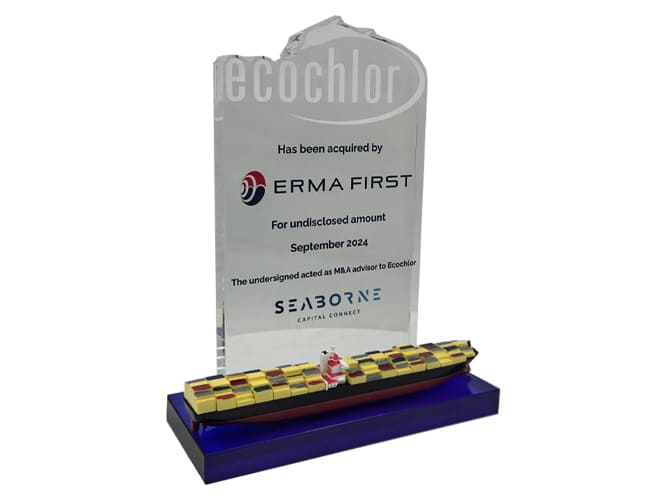
What typography and colors build brand authority?
Achieving brand cohesion hinges on strict fidelity to official color palettes, which frequently involves matching specific digital color codes or Pantone references.
Common materials for these hues include colored acrylic or glass, which stand out against neutral materials like satin metal or frosted surfaces.
In selecting typography, the tradition of using serif fonts in legal contexts persists for its air of reliability, whereas sans-serif versions are increasingly chosen to present a cleaner, forward-looking appearance.
Most importantly, a clear visual hierarchy is vital: transaction names should attract initial attention, with further details like involved parties following behind. In practice, such attention to type and color can markedly strengthen the overall message of the piece.
Choosing materials and prototyping your vision
The specific choice of a deal toy’s physical materials has a profound effect on both perception and longevity.
Lucite acrylic, widely considered the industry benchmark, is especially appreciated for its clarity and long-term resilience, qualities rarely matched by substitutes. Its manufacturing technique, which can astonishingly encase nearly anything from documents to actual circuit components, is a feature that provides designers with both freedom and distinction.
However, organizations sometimes opt for alternatives like art glass, crystal, wood, or even bespoke metal alloys, as these may better fit either a client’s sense of elegance or a relevant industry narrative, such as permanence or tradition.
Shifting from one to the other can subtly change the conversation the transaction memento initiates with its viewer.
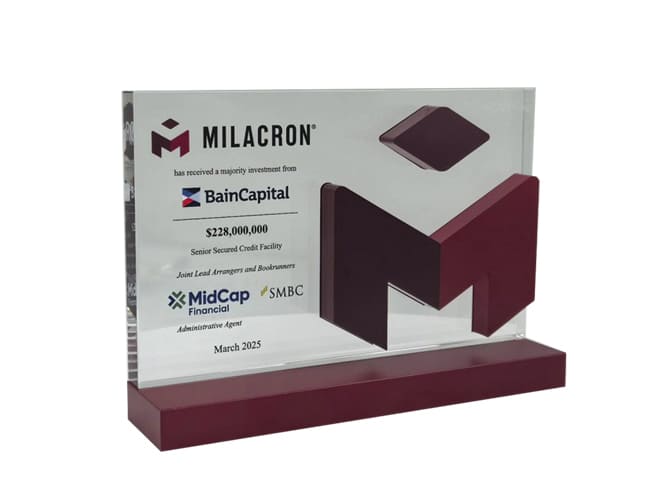


Digital tools for rapid mockups
Before initiating actual production, most sophisticated firms now rely on digital prototypes to bridge the gap between creative vision and expected outcome.
Tinkercad offers an accessible and effective way for teams to model their ideas in three dimensions, even for those less familiar with complex design software.
Its appeal lies in the simplicity of making rough visualizations quickly, which facilitates broader consensus and informed decision-making. The following core functions help expedite the prototyping process:
- Direct SVG file import makes logo integration both accurate and immediate for branding purposes.
- The platform’s subtractive modeling capabilities support the construction of intricate internal details, even by non-technical users.
- Final models are easily exported as STL or OBJ files, supporting seamless transition to 3D printing or professional cutting technology.
Managing production timelines and vendor costs
The stages from initial brief to finished product can involve unexpected variables. Understanding both timelines and cost drivers is therefore essential.
Reputable vendors such as Golucites operate transparently, frequently providing digital design proofs and inclusive engraving services as a gesture of partnership rather than a transactional formality.
Yet, each vendor approaches these offerings with its own subtle priorities, and project leaders are wise to consider both turnaround windows and the value added by such services.
Breaking down the manufacturing schedule
Although every project will differ, one can expect the process from concept to delivery to extend over a period of several weeks.
In practice, basic designs sometimes reach completion in roughly two and a half weeks, depending on the number of units but sometimes less, while those requiring numerous input cycles or involving complex international logistics may extend close to two months or more.
- Design and approval: There is no limit set for the initial phase. We have orders approved in less than two days and sometimes 3-6 months. Its duration depends on both internal compliance and the frequency of stakeholder revisions.
- Manufacturing: Depending on the design complexity and number of units there is not a specific time lead. We had traditional awards manufactured within a weekl for a small number of units, and for high premium deal trophies around 8-10 weeks or sometimes a little bit longer.
- Delivery: In standard circumstances, the finished object reaches domestic clients in three to five business days. However, international or rush orders introduce new shipping complexities.
How much should you budget per unit?
Unit cost, a frequent concern, is influenced mainly by design sophistication and material selection, although of course the order volume impacts economies of scale.
An exceptional deal toy, in the end, is more than decorative; it preserves organizational memory, commemorates expertise, and serves as a public statement of what the team has achieved together.
Personalized, thoughtfully designed pieces boost morale among professionals, affirm relationships with valued clients, and communicate a firm’s standards to any visitor who encounters them.
Ultimately, delivering a truly meaningful transaction memento is an exercise in careful coordination across several domains, design harmony, precise color management, and, critically, a high standard of manufacturing.
Partnering with experienced suppliers and leveraging digital prototyping not only reduces error but also increases confidence that the final artifact will stand as a respected symbol of shared achievement for years to come.